
Secure Mobile Transactions
Understanding Mobile Threats
Secure Internet Connections
Check Websites for HTTPS
Download Apps From Trustworthy Sites
Read That App Reviews and Ratings
Using Passwords
Install Reputable Security Software
Enable Remote Wipe, Find My Device Features
Disable Unused Services and Ports
Avoid Jailbreaking or Rooting Your Device
Smartphones and tablets are now widely used for shopping, banking, peer-to-peer transfers, digital wallets, and account access. That convenience also makes the device, payment account, and transaction itself important security targets.
Secure mobile transactions depend on more than one setting or app. Protect the device, use trusted payment services, verify merchants and recipients, review the amount before approving a payment, and monitor completed transactions for activity you do not recognize.


With secure mobile payments there is also the real possibility of running into exploits within you mobile apps. Security for mobile phones has been growing daily, and the need is tremendous.
We all should watch how Security trends unfold over the next few years. But in the meantime, below are some tips you can use to make sure you are protected when purchasing on your smartphone, tablet or PC.
Understanding Mobile Threats
Mobile devices, such as smartphones and tablets, are prime targets for cybercriminals due to their pervasive use and the sensitive information they carry. Common threats include malware, phishing attacks, and man-in-the-middle assaults, which can compromise your security in seconds. By being aware of these risks and implementing robust security measures, such as regular updates and Strong Authentication with 2FA, you can significantly enhance your mobile device security. Protecting your devices starts with understanding the landscape of mobile threats, empowering you to take proactive steps against potential vulnerabilities.
- • Malware: Malicious software designed to disrupt, damage, or gain unauthorized access to systems. Common forms include viruses, spyware, and ransomware.
- • Phishing: Deceptive attempts to obtain sensitive information by pretending to be a trustworthy entity. This often occurs through emails or fake websites.
- • Man-in-the-Middle Attacks: Interception of communication between two parties, allowing attackers to steal data or inject malicious content.
- • Public Wi-Fi Vulnerabilities: Open networks can expose devices to unauthorized access and data theft.
- • Lost or Stolen Devices: Physical loss poses a significant risk if devices are not properly secured.
Secure Internet Connections
Whenever you are purchasing or transferring money online, always do this over a Secure connection. Without using SSL, your Internet traffic is not encrypted. Most people understand that sensitive information, such as credit card numbers or address data, should be transmitted using a Secure connection only. And that transferring your personal information over a public Internet connection is just a bad idea.
Check Websites for HTTPS and Verify the Domain
When making a payment in a browser, use an HTTPS website and check the domain name carefully. HTTPS encrypts data while it travels between your browser and the website, but it does not prove that the website itself is legitimate. Phishing and fraudulent websites can also use HTTPS.
Open banking, shopping, and payment services through an official app, a saved bookmark, or an address you already know instead of following unexpected links in texts, emails, ads, or messages. If the domain, merchant name, payment amount, or request looks unfamiliar, do not approve the transaction until you verify it through an independent trusted channel.
Download Apps only from Trustworthy Sites
Install payment, banking, and shopping apps from the device platform's official app store or from a link published by the company itself. Before installing, verify the developer name, app permissions, update history, and whether the app is actually affiliated with the service you intend to use.
A native app is not automatically safer than a website. A legitimate, updated app and a correctly addressed HTTPS website can both be appropriate. The important checks are the source, developer or domain, requested permissions, authentication method, and transaction details.

Verify the App Before You Install It
Ratings and reviews can provide useful context, but they should not be your only trust signal. Confirm the developer or publisher, compare the app listing with the company's official website, review requested permissions, and check that the app is actively maintained. Be cautious with look-alike names, copied logos, unexpected download links, and apps that request permissions unrelated to their purpose.
For banking and payment apps, the safest starting point is usually the financial institution or payment provider's official website, which can direct you to its legitimate app-store listing.
Using Passwords
If you are among those that feel uncomfortable setting up passwords to lock their mobile device. Or if you are sometimes forgetful, then you may not like this option. But always remember, the best protection against somebody gaining access to your Accounts from your device is by using a good and strong Password. When somebody tries to open your iPhone or Android, it will always require a pass-code before they can gain entry. This is probably the best security solution, especially if you are traveling anywhere with your devices. This will can protect you if your device is ever stolen.
Tips for Using Public Wi-Fi Networks from the Federal Trade Commission.
Accidents happen and people lose their mobile devices all the time. What a dangerous situation if your phone had direct access into your bank accounts, personal information, home addresses and shopping carts. It may be possible to lock specific applications, but this may prove more complex than useful. Conclusion: Use a Password.
Install Reputable Security Software
A fundamental step in fortifying your mobile devices against an array of Cyber Threats. With the increasing sophistication of malware and phishing attacks, having reliable antivirus and anti-malware protection is essential. Quality security software not only scans your device for existing threats but also offers real-time protection, safeguarding your data from emerging vulnerabilities. Additionally, many security solutions come equipped with features like remote wipe, anti-theft measures, and safe browsing tools, providing a comprehensive shield for your smartphone or tablet. By prioritizing the installation of trusted security software, you can enhance your mobile device security and enjoy peace of mind knowing that your personal information is well-protected.
Enable Remote Wipe and Find My Device Features
Enabling remote wipe and Find My Device features is a game-changer for mobile device security, providing peace of mind in an increasingly uncertain digital landscape. If your smartphone or tablet is lost or stolen, these tools empower you to locate your device and, if necessary, erase sensitive data from afar. This proactive measure ensures that your personal information, like banking details and private messages, remains secure, even if your device falls into the wrong hands. By taking advantage of these built-in security features, you enhance your mobile device protection and significantly reduce the risk of identity theft. Don’t wait for an incident to occur; activate remote wipe and Find My Device today to safeguard your digital life.
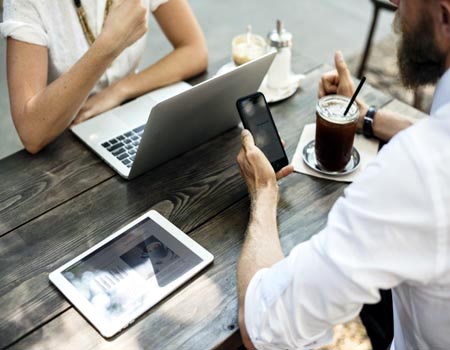
Disable Unused Services and Ports
Securing your mobile device is more crucial than ever, and one effective strategy is to disable unused services and ports. By turning off features like Bluetooth , NFC, and location services when not in use, you minimize potential entry points for cyber threats. Additionally, disabling unnecessary ports can significantly enhance your device's security profile, reducing the risk of unauthorized access and data breaches. Regularly reviewing and optimizing these settings not only boosts your device's performance but also ensures your personal information remains safeguarded. Embrace a proactive approach to mobile security by streamlining your device's services and ports today.
Avoid Jailbreaking or Rooting Your mobile Device
When it comes to maximizing the security and performance of your mobile device, one key practice to follow is to avoid jailbreaking or rooting. While these modifications may promise enhanced functionality and access to restricted apps, they significantly compromise your device's security. Jailbreaking or rooting removes essential built-in protections, making your phone vulnerable to malware, data breaches, and malicious attacks. Additionally, these actions can void your warranty and prevent you from receiving vital updates. By keeping your device in its original state, you ensure a safer and more reliable mobile experience, allowing you to enjoy peace of mind while using your smartphone or tablet. Stay secure and stick to the official software. Your device will thank you
Protecting Your Wearables
Protecting your wearables is essential in today's tech-savvy world, as these devices often collect and store sensitive health and personal information. From smartwatches to fitness trackers, the data they gather can be a goldmine for cybercriminals if left unsecured. To enhance your mobile device security, start by enabling strong passcodes and biometric authentication, ensuring only you have access. Additionally, regularly update the firmware on your wearables to patch any vulnerabilities and choose apps with robust privacy settings. By being proactive about your wearable security, you not only safeguard your data but also enhance your overall digital privacy, allowing you to enjoy the benefits of technology with confidence.
Watch Your Statements and Report Suspicious Activity Immediately
If you are ever in doubt about your accounts being compromised, taking action. Changing your passwords if you feel it may have been compromised. Often times your instincts may be right on without having any reason of why.
Also, do not forget to log into your banking accounts to make sure there is no suspicious activity. Look for transfers or withdrawals which you did not authorize. It never hurts to be extra cautious when handling your money online.

Check Your Apps
Many apps have both Android and iOS support for the majority of smartphone users. Remember to check reviews and see what kind of experiences other users are having.
Before you download, check the developer and see if they are a trustworthy name. You can match the developer’s name with the company name and figure out the relation between them.
Wikipedia mobile applications
Explore Wikipedia’s list of mobile applications to access a world of knowledge at your fingertips! From the official app to various third-party options, discover how to browse, edit, and learn on-the-go, enriching your learning experience anywhere.
Outlook for iOS and Android
Discover Outlook Mobile for Android and iOS, where productivity meets convenience! Seamlessly manage your email, calendar, and tasks in one app, ensuring you stay organized and connected, whether at work or on the go
Apps for Microsoft Windows 10
Explore the Windows 10 apps collection from Microsoft, designed to enhance your productivity and creativity! From powerful tools for work to fun games and utilities, discover a world of apps that transform your Windows experience.
PayPal
Download the PayPal app to manage your money effortlessly! Send and receive payments, shop securely, and track your transactions, all from your iPhone. With a user-friendly interface, PayPal makes financial transactions a breeze
Amazon
Unlock a world of shopping with the Amazon Mobile app! Browse millions of products, track your orders, and snag deals, all from your iPhone. With easy navigation and personalized recommendations, your next great find is just a tap away
eBay
Dive into the eBay app for seamless buying and selling! Browse auctions, snag great deals, and manage your listings, all from your iPhone. With user-friendly features and real-time updates, your next treasure is just a tap away
Newegg Mobile
Shop smart with the Newegg Mobile app! Explore thousands of tech products, from laptops to gaming gear, all at your fingertips. With exclusive deals and easy order tracking, finding your next gadget has never been easier
Etsy
Unleash your creativity with the Etsy app! Discover unique handmade items, vintage treasures, and personalized gifts right from your iPhone. With easy browsing and secure checkout, finding one-of-a-kind pieces has never been more fun
Android Apps on Google Play
Explore the Google Play Store for endless entertainment and productivity! With millions of apps, games, movies, and books at your fingertips, you can customize your Android experience and discover new favorites every day
Security and Apps for iPhone
Readers Digest
The Reader's Digest article on iPhone security provides vital tips for protecting your device, such as enabling two-factor authentication, keeping software updated, and using strong passwords to safeguard personal information effectively.
AVG
The AVG article on the best iPhone security apps highlights top choices for enhancing device protection. It reviews apps that offer features like anti-malware, VPNs, and secure browsing, ensuring your personal data stays safe
Support.Apple.com
Apple’s support guide details how to use built-in security and privacy protections on your iPhone. It covers features like Face ID, password management, and privacy settings to help keep your data safe and secure.
iGeeksBlog
iGeeksBlog’s roundup of security apps for iPhone and iPad showcases essential tools for safeguarding your devices. From VPNs to password managers, these apps empower you to protect your data and enhance your online privacy.
CNET Download
CNET’s guide to security apps for iOS features a curated selection designed to bolster your device's defenses. Explore top-rated antivirus, VPN, and privacy tools that empower you to safeguard your data and browse with confidence
GetApp.com
GetApp’s roundup of cybersecurity software for iPhone showcases top solutions to protect your device. Discover apps offering robust features like malware protection and secure browsing, ensuring your personal data stays safe from threats
SafetyDetectives.com
SafetyDetectives explores the best truly free antivirus options for iOS, highlighting apps that offer essential protection without hidden costs. Discover tools that safeguard your device from malware while keeping your personal data secure
Goodwill Community Foundation
GCF Global's guide on iPhone security and general settings empowers users with essential tips to enhance device safety. Learn to adjust privacy settings, enable passcodes, and manage app permissions to keep your data secure and private

Security and Apps for Android
Android Developers
The Android Developers guide on security best practices equips developers with essential strategies to protect apps. From secure coding techniques to data encryption, these tips help ensure user safety and bolster app resilience against threats
Android Authority.com
Android Authority's list of the best security apps for Android highlights top tools to protect your device. From antivirus solutions to privacy managers, these apps help safeguard your personal data and enhance your mobile security
Geekflare.com
Geekflare’s guide to Android security apps reveals top picks for keeping your device safe. Featuring antivirus, VPN, and anti-theft tools, these apps empower users to protect personal data and enjoy a secure mobile experience
LifeWire.com
LifeWire’s roundup of the best free antivirus for Android highlights essential apps that safeguard your device without breaking the bank. Discover powerful protection against malware and threats, keeping your data secure and your phone safe
Computerworld.com
Computerworld's guide to Android security settings offers crucial tips for safeguarding your device. Learn how to adjust permissions, enable encryption, and optimize settings to fortify your privacy and keep your data secure from threats
Linux Hint
LinuxHint’s list of the best security apps for Android highlights must-have tools to protect your device. From antivirus to VPNs, these apps help you safeguard personal data and browse safely, ensuring a secure mobile experience
Android Open Source Project
The Android Security website offers a deep dive into the platform's robust security features. Explore best practices, updates, and guidelines designed to protect your data and enhance device safety, ensuring a secure Android experience for all.
Joy of Android.com
Joy of Android's roundup of the best home security apps empowers you to monitor your space right from your device. Discover top tools for video surveillance, alarm systems, and smart home integration to keep your home safe and secure
Mobile Payment Security Checklist
Before approving a purchase, transfer, or mobile-wallet payment, use this quick checklist:
- • Confirm the merchant or recipient before sending money.
- • Verify the exact amount, currency, and funding source.
- • Use the official app or a correctly addressed HTTPS website.
- • Prefer a reputable tokenized mobile wallet when it is supported.
- • Use a strong device lock and strong account authentication.
- • Never approve an authentication or payment request you did not initiate.
- • Avoid unknown or untrusted networks for sensitive financial activity when a trusted connection is available.
- • Enable transaction alerts when your bank, card issuer, or payment provider offers them.
- • Review the completed transaction and report activity you do not recognize promptly.
Mobile Payment Methods Compared
| Payment method | Security advantage | Main risk to watch | Good practice |
|---|---|---|---|
| Mobile wallet | Supported transactions can use tokenized credentials and device authentication | Compromised device or payment account | Use a device lock, strong authentication, and verify every payment |
| Card payment in an app or website | Can use encrypted connections and issuer fraud controls | Fake apps, phishing sites, or unnecessarily stored card details | Verify the app or domain and avoid saving payment details where they are not needed |
| Debit card | Convenient direct payment from a bank account | An unauthorized transaction can affect available bank funds while it is investigated | Enable alerts and understand your bank's card-lock and dispute procedures |
| QR-code payment | Fast way to open a payment destination | A replaced or deceptive QR code can direct you to the wrong recipient or website | Verify the recipient, destination, amount, and web address before approving |
| Peer-to-peer payment | Convenient for transfers to known recipients | Payments sent to the wrong person or a scammer may be difficult to recover | Confirm the recipient independently before sending money |
What to Do If a Mobile Payment Goes Wrong
If you notice an unauthorized transaction, approve something by mistake, or believe a payment account has been compromised, act promptly using official contact methods.
- Contact the bank, card issuer, or payment provider through its official app, website, or verified customer-service number.
- Lock or suspend the affected card or payment method when that control is available.
- Review recent transactions and save receipts, transaction identifiers, messages, and other relevant records.
- Change credentials for any account that may have been compromised and secure the connected email account.
- Remove unfamiliar devices or sessions and strengthen authentication where supported.
- Contact your mobile carrier if the phone, SIM, or mobile number may have been compromised.
- Follow the provider's dispute or fraud-reporting process and continue monitoring the account for additional unauthorized activity.
Best Practices
Secure mobile payments require more than protecting the device itself. Before approving any purchase, transfer, or payment request, confirm who will receive the money, what amount will be charged, and which account will fund the transaction.
- • Prefer tokenized payment methods: When available, use a reputable mobile wallet that replaces your actual card number with a transaction-specific token. This limits the payment information shared with the merchant.
- • Verify every recipient and payment amount: Carefully review the merchant name, recipient details, total charge, currency, and funding source before authorizing a transaction. For a new recipient, consider sending a small test payment first.
- • Confirm unusual requests separately: If someone unexpectedly asks for money or sends revised payment instructions, contact the person or company through a known phone number or official website before paying. Review these additional tips for recognizing malware and phishing attacks.
- • Reject unexpected authentication prompts: Never approve a sign-in or payment notification that you did not initiate. Deny the request, open the service through its official app, review recent activity, and change the affected password if necessary.
- • Use stronger account verification: Protect banking, payment, email, and mobile-carrier accounts with an authenticator app, passkey, or security key when supported. Learn how to select and manage two-factor authentication methods.
- • Limit exposed payment information: Avoid saving cards in unfamiliar shopping apps or browsers, remove expired or unused payment methods, and periodically revoke access for apps and services you no longer use.
- • Protect sensitive notifications: Hide verification codes, banking alerts, and payment details from lock-screen previews so they cannot be read while the device remains locked.
- • Prepare an account-recovery plan: Keep bank and card-provider contact information somewhere accessible outside the phone. If the device is lost or stolen, promptly lock the device, suspend mobile-wallet cards, notify the carrier, and review financial accounts for unauthorized activity.
 Frequently Asked Questions
What is mobile payment security?
Mobile payment security is the combination of device controls, encrypted communications, account authentication, transaction monitoring, and safe user behavior that protects purchases and money transfers made with a smartphone or tablet. Effective protection covers the entire process, from unlocking the device and opening the payment app to verifying the recipient and reviewing the completed transaction. For related security topics, browse the RSH Web security and privacy articles.
Are digital wallets safer than entering a card number online?
A reputable digital wallet can reduce exposure of your card details because supported transactions may use tokenization instead of sending the merchant your actual card number. Device authentication also adds protection before payment approval. However, no method eliminates every risk, so you should still protect your phone, verify merchants, and follow broader mobile device security practices.
What is payment tokenization, and how does it protect my card?
Payment tokenization replaces a card’s primary account number with a substitute value called a token. The merchant processes the token rather than receiving the original card number. Because the token is designed for a particular payment environment, exposing it generally creates less risk than exposing reusable card details. Tokenization does not replace the need to verify every transaction.
Is tap-to-pay safer than scanning a payment QR code?
Tap-to-pay and QR payments use different technologies, so safety depends on the payment provider, merchant, and user verification process. Contactless wallet payments commonly use tokenized credentials, while a QR code may simply direct you to a payment page. Inspect the merchant name, destination, amount, and web address before approving any QR-based transaction.
How can I recognize a fake mobile payment request?
Warning signs include unexpected payment demands, urgent deadlines, altered invoices, unfamiliar recipients, requests for verification codes, and links that imitate a bank or payment service. Contact the sender through a trusted phone number or previously verified channel before paying. Learn more about malware and phishing attacks before responding to suspicious messages.
Can someone steal my payment information over public Wi-Fi?
Encrypted apps and HTTPS websites help protect data while it travels, but public Wi-Fi can still expose users to fraudulent login pages, malicious downloads, and deceptive networks with familiar names. Use cellular data or a trusted network for sensitive transactions when possible. You can also review how to improve Wi-Fi security on networks you control.
Is a credit card or debit card better for mobile purchases?
A credit card does not withdraw money directly from your checking account, while an unauthorized debit transaction can affect available bank funds during an investigation. Fraud protections, deadlines, and liability can differ by card, transaction type, and issuer. Review your card agreement and ask the issuing bank about alerts, card-lock controls, dispute procedures, and mobile-wallet protections before deciding.
Why does a mobile payment appear as pending or show twice?
A pending payment may be an authorization hold rather than a completed charge. Duplicate entries can occur when a transaction is retried, but one entry may disappear after processing. Do not repeatedly submit the payment. Save the receipt, compare transaction identifiers, allow the stated processing period, and contact the merchant or card issuer through an official channel if both charges settle.
What should I do after receiving an unexpected payment approval prompt?
Deny the request and do not share any verification code. Open the financial service through its official app, inspect recent activity, remove unfamiliar devices, and change the password if account access may be compromised. Enable a stronger verification method using this guide to two-factor authentication, and notify the provider about unauthorized activity.
How can I reduce the payment information stored on my phone?
Remove expired or unused cards, uninstall shopping apps you no longer need, restrict unnecessary app permissions, and avoid saving payment credentials in unfamiliar browsers or services. Review autofill and password-manager entries periodically. If old credentials remain stored, follow the appropriate steps for deleting saved passwords from browsers and devices.
What should I do if a phone used for mobile payments is lost, stolen, or compromised?
Use the device provider’s official locate or remote-lock service, contact your mobile carrier, suspend wallet cards, and notify affected banks or payment providers. Review recent transactions and secure the connected email account first because it may control password recovery. Check for signs that a smartphone was hacked; if the device cannot be recovered securely, consider a properly prepared remote wipe or factory reset. For additional account-security and technical guidance, visit the RSH Web support resources.
Is a mobile wallet safer than using a physical card?
A reputable mobile wallet can provide additional protection because supported transactions may use a token instead of exposing the card number to the merchant, and the device can require authentication before payment. A physical card can also be used securely, but the protections and risks differ by transaction. Whichever method you use, verify the merchant and amount and monitor the account for unauthorized activity.
What should I do if I sent money to the wrong person or a scammer?
Contact the payment provider or financial institution immediately through an official channel and ask whether the transfer can be stopped, reversed, disputed, or reported as fraud. Do not send additional money to someone claiming they can recover the payment for a fee. Save transaction details and communications, secure any account that may have been compromised, and follow the provider's reporting instructions. Additional security and account-help resources are available through RSH Web support.
Summary
As mobile devices continue to play an integral role in our lives, ensuring their security is paramount. By following best practices, securing mobile transactions, and implementing data protection strategies, you can significantly reduce the risks associated with mobile device use. Whether for personal or professional purposes, staying informed and vigilant is the key to safeguarding your information in an increasingly mobile world. Remember, security is not just a one-time effort; it’s an ongoing process that requires regular updates and awareness.
By implementing these strategies and maintaining good security hygiene, you can protect your mobile devices and the sensitive data they contain from various threats. Prioritize your security and enjoy the benefits of mobile technology without compromising your data integrity.
Security is a topic RSH Web Services is very passionate about
Author Bio: Betsy Trauger
A freelance web developer with a wealth of experience in utilizing RSH Web Services for her projects. With a keen eye for detail and a knack for utilizing third-party software seamlessly, Betsy's work is characterized by...
Add Comment
This policy contains information about your privacy. By posting, you are declaring that you understand this policy:
- Your name, rating, website address, town, country, state and comment will be publicly displayed if entered.
- Aside from the data entered into these form fields, other stored data about your comment will include:
- Your IP address (not displayed)
- The time/date of your submission (displayed)
- Your email address will not be shared. It is collected for only two reasons:
- Administrative purposes, should a need to contact you arise.
- To inform you of new comments, should you subscribe to receive notifications.
- A cookie may be set on your computer. This is used to remember your inputs. It will expire by itself.
This policy is subject to change at any time and without notice.
These terms and conditions contain rules about posting comments. By submitting a comment, you agree with these rules:
- Although the administrator will attempt to moderate comments, not all comments can be moderated at all times.
- You acknowledge that all comments express the opinions of the original author and not those of the administrator.
- You will not post material which is knowingly false, obscene, hateful, threatening, harassing or invasive of privacy.
- The administrator has the right to edit, move or remove any comment for any reason and without notice.
Failure to comply with these rules may result in being banned from submitting further comments.
These terms and conditions are subject to change at any time and without notice.
Tweet Share Pin Email
 The 16 Best WordPress Alternatives
 What are The Best Self-Hosted Polls & Analytic Program
 Best Self-Hosted Project Management Scripts
 e-Commerce Programs from Softaculous Compared
Comments