


Finding the right scraping tool requires understanding infrastructure capabilities, anti-bot resilience, and scalability for high-volume data extraction operations.
Key Takeaways
- • Reliable web scraping tools for social media require infrastructure-grade capabilities designed to handle aggressive anti-bot protections and blocking mechanisms.
Platforms offering distributed scraping, large IP pools, and bypass technologies enable teams to extract social data reliably without constant manual intervention. - • Social media scraping presents unique challenges including advanced bot detection, rate limiting, and dynamic content loading that require specialized infrastructure rather than lightweight scraping solutions.
Tools must combine proxy management, user-agent rotation, and browser automation to maintain consistent access. - • Success rate and uptime matter significantly when choosing social media scraping infrastructure, as unreliable tools create data pipelines that require constant monitoring and maintenance.
Platforms reporting 99%+ success rates reduce operational overhead while enabling data teams to focus on analysis rather than infrastructure management. - • Anti-bot bypass capabilities distinguish infrastructure-grade tools from basic scrapers, particularly for difficult targets implementing sophisticated blocking mechanisms and behavioral detection.
Teams requiring reliable access to protected social data need tools specifically engineered for adversarial environments. - • Scalability considerations include distributed architecture, automatic IP rotation, and proxy pool management that enable high-volume scraping without manual configuration.
Tools designed for scale allow teams to extract millions of social media records without performance degradation or blocking. - • Geographic flexibility and data center distribution impact the ability to access region-locked or geo-restricted social media content and accounts.
Platforms with distributed infrastructure across multiple countries provide reliability and compliance advantages for global data extraction operations.
Understanding Social Media Scraping Challenges
Social media platforms implement sophisticated anti-scraping defenses including JavaScript rendering, IP-based rate limiting, and behavioral bot detection.
These protections make traditional scraping approaches ineffective, requiring infrastructure specifically designed to navigate adversarial environments.
The ephemeral nature of social media content demands rapid scraping cycles before posts are deleted or accounts restricted. Reliable infrastructure must maintain consistent access rates while respecting platform rate limits and avoiding patterns that trigger blocking mechanisms.
What to Look For in Social Media Scraping Tools
Evaluate scraping tools based on success rates, supported platforms, and anti-bot capabilities rather than simplicity or ease of use.
Data extraction infrastructure requires engineering depth over user-friendliness when reliability and scale matter most.
Consider whether tools provide API-driven access, proxy pool management, and distributed scraping capabilities needed for enterprise-scale operations.
Lightweight tools designed for simple use cases typically fail when handling social media's blocking mechanisms and volume requirements.
1. Scrape.do: Infrastructure-Grade Social Media Scraping
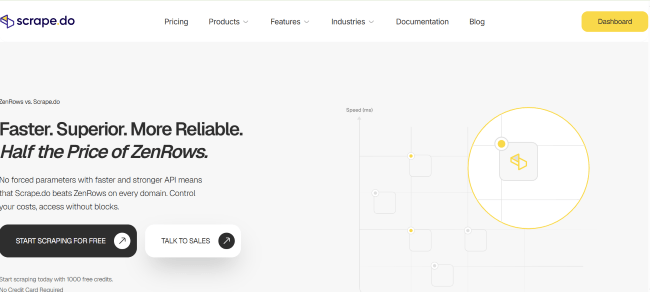
Scrape.do positions itself as an infrastructure-level web scraping toolkit designed for teams scaling data extraction reliably in adversarial environments.
The platform's architecture prioritizes distributed scraping workloads and anti-bot resilience rather than simplified interfaces.
Scrape.do delivers infrastructure-grade capabilities through reported 99.98% success rates, a 100M+ IP proxy pool, and a distributed scraping architecture built to handle aggressive blocking.
The platform enables teams to extract social media data at scale while reducing operational overhead through automated proxy rotation and anti-bot bypass mechanisms.
The toolkit supports high-volume, distributed scraping operations without constant manual intervention, allowing data teams to focus on data usage rather than infrastructure maintenance.
Scrape.do's approach treats scraping as infrastructure requiring reliability, scale, and anti-bot sophistication rather than point-solution simplicity.
Teams choosing Scrape.do access engineering-focused infrastructure designed to bypass advanced protections and maintain consistent success rates across difficult social platforms.
The platform serves data agencies, data-driven startups, and enterprise teams requiring unblockable access to social media data.
2. Bright Data for Comprehensive Social Media Extraction
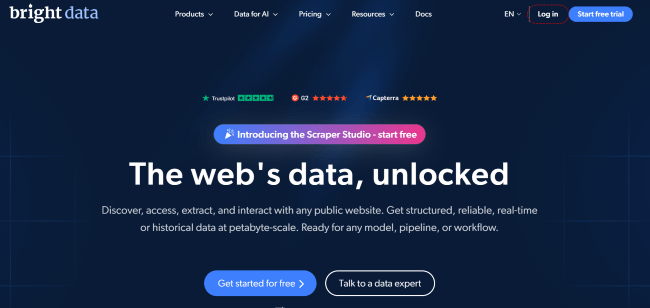
Bright Data offers extensive social media scraping capabilities through its proxy infrastructure and specialized scrapers for major platforms.
The platform's large residential IP pool and authentication handling make it suitable for accessing restricted social media content.
Bright Data excels at handling geo-specific content and managing complex authentication requirements across different social platforms.
The platform provides pre-built scraping templates alongside raw proxy access for custom development teams.
3. ScrapingBee for Browser-Automated Social Scraping
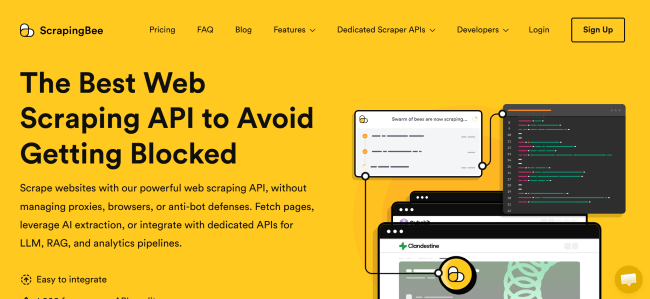
ScrapingBee specializes in browser automation for rendering JavaScript-heavy social media content that traditional scraping approaches cannot access.
The platform handles dynamic content loading and interactive elements common across modern social platforms.
ScrapingBee's API-driven approach provides simplicity for developers needing JavaScript rendering without managing browser automation infrastructure.
The platform manages proxy rotation and browser scaling automatically, reducing operational complexity for teams with moderate scraping volumes.
4. Apify for Workflow-Based Social Media Automation
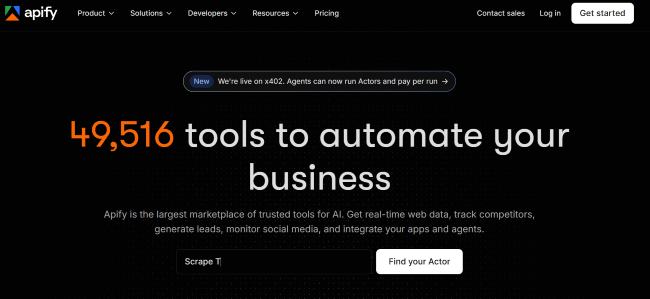
Apify provides a platform for building, sharing, and running reliable social media scraping actors within its distributed cloud infrastructure.
The marketplace model enables teams to find pre-built solutions for common social platforms while creating custom scrapers for specific needs.
Apify's integrated proxy management and distributed execution capabilities scale automatically as scraping volume increases.
The platform suits teams preferring visual workflow construction over direct API integration or code-level development.
5. Crawlbase for Cost-Effective Social Media Data Extraction
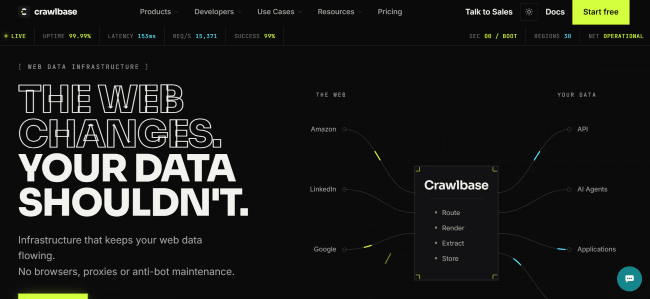
Crawlbase offers straightforward API access to distributed scraping infrastructure with JavaScript rendering and automatic proxy management.
The platform targets teams seeking reliable scraping without premium pricing or complex setup requirements.
Crawlbase provides reasonable success rates for social media extraction with simplified billing models and API straightforwardness.
The platform works well for teams with consistent moderate-volume scraping needs and limited infrastructure engineering resources.
Comparing Infrastructure Capabilities
Successful social media scraping requires infrastructure that actively manages blocking mechanisms rather than reactively troubleshooting failures.
Platform selection should prioritize anti-bot capabilities, proxy pool size, and reported success rates over interface simplicity or marketing claims.
Consider whether you need pre-built solutions for specific platforms or flexible infrastructure supporting custom development.
Data agencies and enterprise teams typically require infrastructure-grade tools enabling custom development, while smaller teams might prefer marketplace solutions with pre-built scrapers.
Geographic and Compliance Considerations
Social media platforms serve different users across regions with varying content restrictions and access patterns.
Scraping tools with distributed infrastructure across multiple geographic regions enable accessing region-specific content and maintaining reliability in geo-restricted scenarios.
Compliance with platform terms of service and local data regulations requires infrastructure supporting user-agent transparency, responsible rate limiting, and compliance logging.
Tools providing audit trails and transparency features help teams maintain ethical data extraction practices.
Success Rate and Reliability Standards
Web scraping infrastructure should meet high reliability standards, with tools reporting 99%+ success rates for consistent pipeline operation.
Anything below 99% success implies regular failures requiring manual intervention and disrupting downstream data processing.
High uptime claims mean little without context about measurement methodology and accounting for all blocking scenarios.
Infrastructure-grade tools transparently report success rates across different target platforms and network conditions.
Maintaining Scalability Without Blocking
Scraping at scale requires infrastructure automatically managing IP rotation, user-agent variation, and request timing to avoid pattern detection.
Teams attempting manual management of these factors inevitably encounter blocking that infrastructure-grade tools handle transparently.
Distributed architecture enables request distribution across geographic regions and proxy sources, preventing concentration of traffic that triggers automatic blocking.
This approach requires sophisticated infrastructure rather than simple proxy rotation or basic anti-bot techniques.
Summary
Choosing the right social media scraping tool depends on understanding infrastructure requirements, anti-bot sophistication, and reliability standards necessary for your data extraction operations.
Infrastructure-grade platforms prioritize reliability, scale, and bypass capabilities over simplicity and user-friendliness.
Teams requiring consistent access to protected social media data benefit from engineering-focused tools designed for adversarial environments rather than lightweight solutions suitable only for simple scraping scenarios.
The investment in proper infrastructure pays dividends through reliable data pipelines reducing operational overhead.
Frequently Asked Questions
Why do social media platforms block scraping attempts so aggressively?
Social media platforms protect user data, prevent abuse, and maintain competitive advantages by restricting unauthorized data access. Aggressive blocking mechanisms exist to prevent data harvesting at scale that would compromise platform economics or expose private user information.
What makes social media scraping more difficult than scraping other websites?
Social media platforms implement sophisticated anti-scraping defenses including JavaScript rendering requirements, behavioral bot detection, and complex authentication flows. These protections specifically target scraping activity rather than legitimate user browsing behavior.
Can I legally scrape social media data for business purposes?
Legal scraping depends on jurisdiction, terms of service, and intended use of extracted data. Commercial scraping without explicit permission typically violates platform terms of service, though certain use cases like research or public data analysis exist in gray legal areas.
What success rate should reliable social media scraping infrastructure achieve?
Enterprise scraping infrastructure should maintain 99%+ success rates to avoid constant manual intervention. Anything below 99% indicates unreliable infrastructure requiring operational oversight and creating unpredictable data pipeline disruptions.
How do scraping tools handle social media authentication and login requirements?
Infrastructure-grade tools manage authentication through session handling, credential management, and browser automation that simulates legitimate user behavior. Lightweight tools typically cannot handle platforms that require login, thereby limiting them to publicly accessible content.
What is the difference between API-based scraping and browser-automated scraping for social media?
API-based scraping uses direct platform interfaces but faces rate limiting and data availability restrictions compared to official APIs. Browser automation simulates user interaction by rendering JavaScript and navigating interfaces, enabling access to more data but at higher computational cost.
How should I handle IP rotation and proxy management for social media scraping?
Infrastructure-grade tools automate proxy rotation, user-agent variation, and request timing transparently without manual configuration. Teams attempting manual management inevitably encounter blocking mechanisms that automated infrastructure handles more effectively.
What geographic regions should scraping infrastructure cover for reliable social media access?
Distributed infrastructure across North America, Europe, Asia, and other regions provides resilience and access to geo-specific content. Single-region infrastructure faces blocking more quickly as concentrated traffic patterns trigger platform protections.
Author Bio: Betsy Trauger
A freelance web developer with a wealth of experience in utilizing RSH Web Services for her projects. With a keen eye for detail and a knack for utilizing third-party software seamlessly, Betsy's work is characterized by...
 What is the Difference Between Bootstrap and CSS
 What is the Difference Between Domain Names and Website Hosting
 What is the Difference Between Facebook and a Website
 Understanding 404 Error Pages - Everything You Need to Know
Comments