
SEO
Search now has two major surfaces: the familiar list of organic links and AI-generated answers that summarize information before users scroll through the results. For a small business, choosing a search partner is no longer only about achieving page-one rankings. You also need content that search engines and AI systems can find, understand, trust, and potentially cite when answering a customer’s question. Use this guide to evaluate SEO fundamentals, AI visibility services, reporting practices, costs, and warning signs before hiring an agency.
What an AI-Focused Search Partner Actually Does
Strip away the buzzwords and the work should still look familiar. A qualified partner improves the technical performance, content quality, authority, and usability signals that search engines already value, then adds strategies designed to increase visibility within AI-generated answers. Businesses unfamiliar with these fundamentals may want to review this introduction to SEO for beginners before comparing agency proposals.
The Classic SEO Foundation
The foundation includes crawlable pages, fast loading times, descriptive titles, logical headings, useful content, mobile compatibility, and contextual internal links. Google’s guidance indicates that established SEO best practices still apply to AI Overviews and AI Mode. A credible agency should therefore begin with a technical and content audit instead of claiming that traditional search optimization has become obsolete.
Many teams use AI SEO tools for improving website rankings to accelerate keyword research, competitor analysis, content scoring, metadata reviews, internal-link discovery, and image-alt-text checks. Ask prospective partners how trained specialists review automated recommendations because AI-generated suggestions still require human judgment, factual verification, and alignment with your business goals.
The AI Visibility Layer
Beyond traditional SEO, an agency should consider how your content may be referenced in Google AI Overviews, Google AI Mode, ChatGPT, Perplexity, and other answer engines. This may involve improving entity clarity, publishing direct answers to customer questions, strengthening topical authority, and presenting information in easily understood formats. However, no special AI schema or proprietary file can guarantee inclusion in an AI-generated response.
How AI Search Works Right Now
AI Overviews and other generated answers do not appear for every query, which means conventional organic rankings still matter. An effective strategy should support search engine optimization, Answer Engine Optimization, and Generative Engine Optimization together instead of abandoning proven methods to pursue a single emerging search feature. These broader SEO tips and optimization techniques explain several of the lasting practices that continue to influence search visibility.

Why AI Citations Differ From Page-One Results
Businesses are often surprised to learn that pages cited in AI answers may differ from the highest-ranking conventional results. Research from BrightEdge found that approximately 17% of AI Overview citations overlapped with the organic top ten at the time of its analysis. This means earning an AI citation is not necessarily the same as ranking first. AI-generated answers can also occupy considerable screen space and push traditional organic listings farther down the page.
What You Can and Cannot Measure
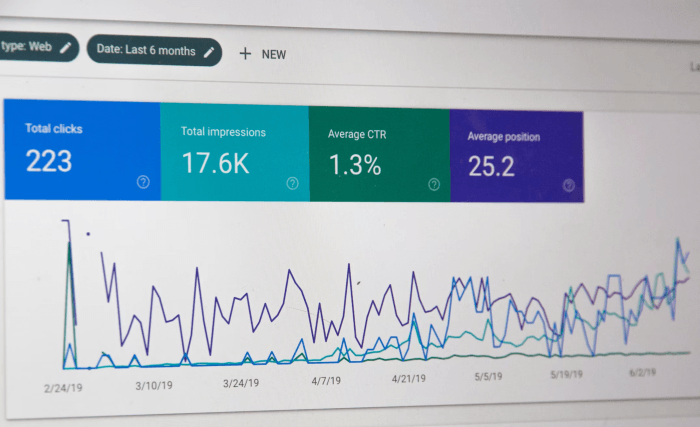
Measurement has limitations. Google does not currently provide a separate Search Console performance breakdown exclusively for AI Overview links. A responsible agency should clearly explain which results are directly measurable, which metrics rely on third-party tools, and which conclusions are informed estimates. Reporting should connect available visibility data to meaningful outcomes such as qualified visits, inquiries, conversions, and revenue.
A Checklist to Vet AI SEO Agencies
- • Follows official search guidance: The agency can reference current documentation and explain how its recommendations comply with search-engine policies.
- • Audits technical fundamentals first: It reviews crawlability, indexing, page speed, mobile usability, site architecture, canonicals, redirects, and structured data before pursuing trends.
- • Creates content for easy extraction: Its content plans use direct definitions, concise summaries, descriptive headings, comparison sections, FAQs, and clearly supported answers.
- • Uses accurate structured data: The agency implements schema markup that represents visible page content and does not add unsupported claims or misleading properties.
- • Builds entity clarity and external proof: Business names, services, locations, authors, and contact details remain consistent and are supported by credible outside references.
- • Explains its AI visibility methodology: It documents how prompts, brand mentions, citations, competitors, platforms, locations, and changes over time are monitored.
- • Combines SEO and AI reporting: Reports connect rankings, impressions, traffic, AI citations, conversions, lead quality, and completed work.
- • Provides realistic budgets and timelines: The proposal describes months of coordinated improvement rather than promising immediate rankings or guaranteed AI placements.
- • Discloses scope and tools: It identifies the platforms being used, explains their limitations, and distinguishes automated analysis from expert review.
- • Uses ethical practices: The agency avoids mass-produced content without editorial oversight, misleading guarantees, manipulative links, and spam-based outreach.
For additional evaluation criteria, compare the proposal with established website SEO ranking factors, including content relevance, usability, technical performance, internal links, backlinks, and site authority.

Budget and Timelines: What to Expect From Proposals
AI SEO pricing varies widely, and there is no single correct monthly investment for every U.S. small business. Some providers offer focused audits or smaller retainers, while others quote larger engagements covering technical SEO, content production, digital PR, authority building, analytics, and AI visibility monitoring. The right budget depends on your website’s condition, market competition, geographic reach, content needs, and growth objectives.
As one published example, an AI SEO agency pricing framework lists monthly investments of $5,000, $7,500, $10,000, and $15,000 while warning against promises of instant visibility. Treat these amounts as one vendor’s pricing model rather than an industry-wide standard. Request an itemized scope so you understand exactly what each monthly fee includes.
Expect meaningful progress over months rather than days or weeks. A responsible proposal should phase the work by correcting technical problems, improving priority pages, publishing answer-friendly content, establishing measurement, and reviewing performance. Be cautious of plans that skip the initial audit or prioritize publishing large amounts of content before resolving indexing, quality, or usability issues.
Questions to Ask Before You Sign
- • Can you provide recent examples and explain exactly what your team changed?
- • What technical, content, design, or structured-data changes will you make to my website?
- • How will you obtain approval before publishing or modifying important pages?
- • How do you monitor prompts, brand mentions, and citations across ChatGPT, Google AI Mode, Perplexity, and other platforms?
- • What is your strategy if AI-generated answers rarely appear for searches in my industry?
- • Which tools do you use, how frequently are they updated, and what are their measurement limitations?
- • How do you distinguish conventional SEO improvements from AI-driven visibility?
- • Who owns the content, accounts, reports, and data if our working relationship ends?
- • How will your reports connect rankings and visibility to qualified leads, sales, or revenue?
Red Flags to Walk Away From
Guaranteed placement in AI-generated answers is a major warning sign because no agency controls which sources an AI system selects. Other red flags include publishing entirely AI-generated content without human review, withholding access to analytics, recommending tactics that contradict official search guidance, ignoring structured data and entity consistency, building irrelevant links, or refusing to explain how reported metrics were calculated.
Be cautious when an agency focuses on content volume while providing little evidence of editorial standards. High-quality pages require accurate information, audience awareness, useful organization, credible sources, and thoughtful editing. Review these practices for creating quality SEO content when evaluating sample articles or content plans.

How to Run a Lightweight Agency Tryout
You do not need to commit to a year-long contract before learning whether an agency is a suitable partner. A clearly defined 90-day pilot can provide enough time to evaluate communication, implementation quality, strategic thinking, and reporting. Agree on three to five measurable deliverables, such as completing a technical audit, implementing priority fixes, improving key service pages, publishing two or three answer-focused resources, establishing prompt tracking, and delivering a detailed third-month report.
Record the starting condition of your website before work begins. This baseline may include rankings, indexed pages, organic clicks, conversions, qualified inquiries, branded searches, and known AI citations. At the end of the pilot, judge both the numerical changes and the quality of the work completed. If communication, execution, and reporting are strong, you can expand the engagement with greater confidence.
Tools You Might See in Proposals
Google Search Console remains a primary source for organic search performance, with traffic from Google’s AI features included within the Web search type rather than reported separately. Google Analytics 4 can help identify website activity and referral visits from certain AI platforms. Paid SEO services such as Semrush may provide prompt monitoring, brand-mention tracking, competitor comparisons, and citation analysis.
Ask what each tool measures, how often its information is refreshed, which countries or devices it covers, and how the agency connects its findings to leads or revenue. If your website is missing from Google AI Overviews, compare those observations with conventional search data before drawing conclusions. This guide to Google Analytics and alternative analytics tools can help you understand common website measurement options.
A Quick Note on Outreach and Follow-Up
Improved visibility only creates business value when attention becomes meaningful conversations and sales. Once inquiries begin arriving, your business needs a repeatable process for qualification, response, outreach, and follow-up. A well-maintained customer relationship management system or targeted contact-list service can support this process so leads generated through search do not fall through the cracks.
Keep sales outreach separate from your SEO scope, but plan for it early. Define who responds to new inquiries, how quickly prospects receive a reply, what information is recorded, and how lead quality is reported to the agency. Businesses serving local customers may also benefit from these strategies for helping a local business get found online.
Summary: Choosing the Right AI SEO Partner
Choosing the right AI SEO partner requires more than comparing prices or listening to promises about rankings and AI visibility. Look for an agency that begins with proven website SEO ranking factors, including technical performance, crawlability, helpful content, internal linking, structured data, site authority, and accurate measurement. The agency should also understand how content appears across Google AI Overviews, AI Mode, ChatGPT, Perplexity, and other answer engines without claiming it can guarantee citations or placements.
A dependable partner will provide a clearly defined scope, realistic budget, achievable timeline, transparent reporting, and human oversight of AI-assisted work. It should explain which AI SEO tools it uses, what those tools can measure, and how rankings, organic traffic, AI mentions, conversions, and qualified leads connect to your business goals. Avoid agencies that rely on mass-produced content, questionable backlinks, hidden reporting methods, or strategies that conflict with official search-engine guidance.
Before signing a long-term agreement, review recent examples, confirm ownership of your content and data, and consider beginning with a 90-day pilot. Establish baseline measurements and specific deliverables so you can evaluate communication, technical fixes, implementation quality, reporting accuracy, and whether the agency consistently produces high-quality SEO content. The best AI SEO agency will combine traditional optimization with AEO and GEO strategies while setting honest expectations and building sustainable visibility across conventional and AI-powered search.

Frequently Asked Questions
How Long Should an AI SEO Agency Pilot Run?
A 90-day pilot is generally long enough to evaluate communication, completed technical work, content quality, implementation procedures, and reporting. It may not be long enough to achieve every ranking or revenue goal, especially in a competitive market. The pilot should therefore measure whether the agency has established a sound foundation and delivered the agreed work correctly and on schedule.
Should I Ask for Guaranteed Placements in AI Answers?
No. Google, ChatGPT, Perplexity, and other AI platforms control which sources appear in generated answers. No agency can guarantee placement for a particular prompt or query. Ask instead for a documented optimization process, transparent monitoring, relevant examples, careful experimentation, and honest explanations of what can and cannot be measured.
What Should AI SEO Reporting Include?
Reporting should include organic rankings, Google Search Console performance, relevant analytics data, conversion activity, prompt-monitoring observations, AI citations or brand mentions, content published, technical fixes completed, and lead quality. The agency should also explain its data sources, tracking frequency, limitations, and how the reported visibility contributes to meaningful business outcomes.
Can a Small Business Begin With a Smaller SEO Scope?
Yes. A small business can start with a technical and content audit, several high-priority corrections, and improvements to a limited group of important service or product pages. This controlled approach helps establish the quality of the agency’s work before expanding the monthly budget, content schedule, authority-building strategy, or AI visibility monitoring.
Does AI SEO Replace Traditional Search Engine Optimization?
No. AI SEO builds on established search fundamentals such as crawlability, useful content, descriptive headings, internal links, site performance, authority, and accurate structured data. The strongest strategy prepares content for both traditional search results and AI-generated answers while keeping the visitor’s needs, search intent, and conversion journey at the center of every improvement.
Author Bio: Tadeusz Kehan
One of the best creative blog writers and social media. He has been sharing his design insights for over two decades. His expertise and passion for crafting engaging...
We'd love to hear from you! Leave your experiences or questions in the comments section below.
Add Comment
This policy contains information about your privacy. By posting, you are declaring that you understand this policy:
- Your name, rating, website address, town, country, state and comment will be publicly displayed if entered.
- Aside from the data entered into these form fields, other stored data about your comment will include:
- Your IP address (not displayed)
- The time/date of your submission (displayed)
- Your email address will not be shared. It is collected for only two reasons:
- Administrative purposes, should a need to contact you arise.
- To inform you of new comments, should you subscribe to receive notifications.
- A cookie may be set on your computer. This is used to remember your inputs. It will expire by itself.
This policy is subject to change at any time and without notice.
These terms and conditions contain rules about posting comments. By submitting a comment, you agree with these rules:
- Although the administrator will attempt to moderate comments, not all comments can be moderated at all times.
- You acknowledge that all comments express the opinions of the original author and not those of the administrator.
- You will not post material which is knowingly false, obscene, hateful, threatening, harassing or invasive of privacy.
- The administrator has the right to edit, move or remove any comment for any reason and without notice.
Failure to comply with these rules may result in being banned from submitting further comments.
These terms and conditions are subject to change at any time and without notice.
Tweet Share Pin Email
 Elevate Your Brand with a Custom Mobile App
 Why Trustpilot Cannot Be Trusted: A Critical Analysis
 Beginners Guide To Building the Perfect Business Website
 What Makes a Great Website - Design Content and SEO Excellence
Comments