
Logging into the WordPress Dashboard
In order to start blogging or developing a website with WordPress you will need to login to the dashboard.
WordPress is an incredibly popular content management system (CMS), powering over 40% of all websites on the internet. Whether you’re setting up a personal blog, a business website, or an online store, the first step in managing your WordPress site is logging into the WordPress Dashboard. In this comprehensive guide, we’ll explore everything you need to know about accessing the WordPress Dashboard, along with tips and tricks for beginners.
What is the WordPress Dashboard?
The WordPress Dashboard is the control center of your website. It provides a user-friendly interface where you can manage your content, adjust settings, install plugins, and customize your site’s appearance. Once logged in, you can create posts, upload media, manage comments, and much more.
- • Content Management: Create, edit, and delete posts and pages.
- • Customization: Adjust the appearance and functionality of your site.
- • User Management: Control who has access to your site and what they can do.
- • Settings Configuration: Modify site settings to suit your needs.
- • Plugin Installation: Enhance your site’s functionality with plugins.
Your WordPress Login URL
To log into the WordPress Dashboard, you first need to know your login URL. The default login URL typically follows this format:
yourwebsite.com/wp-admin
Replace yourwebsite.com with your actual domain name. If your site uses a custom setup or if you are on a multisite network, you might have a different URL.
Enter Your Username and Password
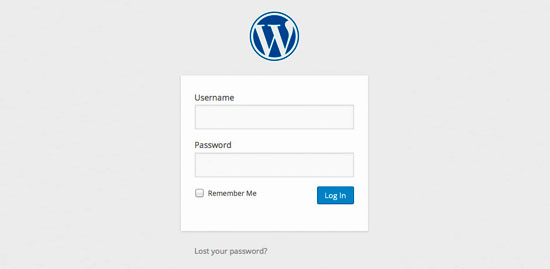
Once you’ve navigated to the login page, you will see a login form that prompts you to enter your username and password.
- • Username: This is the username you created when setting up your WordPress site.
- • Password: This is the password associated with your username.
There’s an option labeled “Remember Me.” If you check this box, your login information will be saved on your browser, making it easier to access your Dashboard in the future. Avoid using this feature on public or shared computers for security reasons.
After entering your credentials, click on the “Log In” button. If your username and password are correct, you will be redirected to the WordPress Dashboard.
Logging In From Softaculous
If you used Softaculous to install WordPress and can’t remember the URL, you can go to cPanel and access your login screen. From cPanel, click the icon for “Softaculous Apps Installer”.
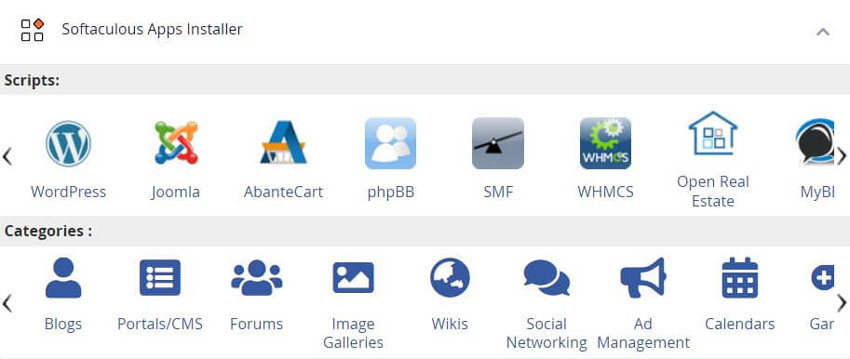
Click on the box for “Installations.” This will show you everything you have installed using the Softaculous Apps system.
Find the website you want to access and click the pencil icon. This is the “Edit Details” screen of that particular site. In the Installation Details screen, you’ll see all of the information regarding your site. You can find the URL, database information and even set the site to automatically upgrade if you want. Scroll down to the “Info” section and click the “Admin URL” link.
The WordPress Dashboard
Once you’re successfully logged in, it’s important to familiarize yourself with the WordPress Dashboard layout. Here are the main components:
Admin Menu
On the left side of the Dashboard, you’ll find the Admin Menu, which contains various options:
- • Posts: Manage blog posts, including creating, editing, and categorizing them.
- • Pages: Create and manage static pages.
- • Media: Upload and manage images, videos, and other media files.
- • Comments: Moderate comments left on your posts.
- • Appearance: Customize your site’s theme and layout.
- • Plugins: Install and manage plugins to enhance your site’s functionality.
- • Users: Manage user accounts and permissions.
- • Settings: Adjust various site settings.
Admin Toolbar
At the top of the Dashboard, you’ll find the Admin Toolbar. This tool provides quick access to frequently used features such as adding new posts, viewing the site, and managing comments.
Dashboard Widgets
The main area of the Dashboard contains Widgets that provide useful information, such as:
- • At a Glance: Overview of your posts, pages, and comments.
- • Activity: Shows recent posts and comments.
- • Quick Draft: Allows you to quickly create a new post.
Customize Your Dashboard
WordPress allows you to customize your Dashboard by rearranging widgets or removing ones you don’t find useful. Simply drag and drop the widgets to your desired position or click the screen options at the top right to show/hide widgets.
Use Keyboard Shortcuts
Familiarize yourself with keyboard shortcuts to enhance your productivity. For example, Ctrl + N allows you to quickly create a new post, and Ctrl + P can help you publish content.
For a complete list of WordPress short cuts see Wordpress.org documentation page
Utilize the Help Section
If you’re unsure about any feature, don’t hesitate to use the built-in Help section. Click on the “Help” button located at the top right of the Dashboard for guidance.
Regularly Update Your Site
Keep your WordPress version, themes, and plugins updated. This ensures your site runs smoothly and securely. You can check for updates from the Dashboard, and it’s a good practice to perform updates regularly.
Back Up Your Site
Before making major changes, always back up your site. There are numerous plugins available to automate backups, ensuring you have a copy of your content and settings in case something goes wrong.
WordPress Login Best Practices
Following secure WordPress login practices helps protect the Dashboard, reduce unauthorized access, and make account recovery easier. Because the WordPress administration area controls posts, pages, plugins, themes, users, comments, and website settings, every person with access should use a secure and clearly managed login process.
- • Use a unique username instead of “admin.” Choose an administrator username that is not easy to guess and does not reveal unnecessary personal information. A less predictable username adds another barrier against automated login attempts, although it should always be combined with a strong password and other security measures.
- • Create a long, unique password for every account. Avoid names, common phrases, keyboard patterns, and passwords reused on other websites. Use the WordPress password generator or a trusted password manager to create and store complex credentials. Review the website security practices for businesses for additional ways to reduce account-related risks.
- • Enable two-factor authentication when available. Two-factor authentication requires a second verification method in addition to the password. This can help protect the WordPress Dashboard when a password is stolen or exposed. Select a reputable, actively maintained security plugin and keep recovery codes in a secure location.
- • Do not select “Remember Me” on shared or public computers. The Remember Me option keeps the WordPress session active for easier future access. Use it only on a private, trusted device protected by a password or secure sign-in method. Always log out completely after using a computer that other people can access.
- • Confirm that the login page uses HTTPS. Before entering a username and password, verify that the browser displays a secure HTTPS connection for the correct domain. An SSL certificate encrypts information sent between the browser and website, helping prevent login credentials from being transmitted as readable text.
- • Give each person an individual WordPress account. Shared administrator credentials make it difficult to identify who changed content or settings. Create a separate account for each user and assign the lowest role needed for their responsibilities. The WordPress user management guide explains how administrators, editors, authors, contributors, and subscribers receive different permissions.
- • Limit the number of administrator accounts. Administrator access should be reserved for people who need complete control of the website. Writers, content editors, and support personnel often require a more limited role. Remove inactive accounts promptly and review existing users regularly to reduce unnecessary access.
- • Keep WordPress, themes, and plugins updated. Login security depends on the condition of the entire website, not only the password. Install stable updates, remove unused software, and confirm that plugins and themes are still actively maintained. Create a complete WordPress backup before significant updates or configuration changes.
- • Limit repeated failed login attempts. A security plugin, firewall, or hosting-level protection can temporarily block repeated incorrect login attempts and reduce automated password guessing. Configure restrictions carefully so legitimate administrators are not permanently locked out, and keep an alternative recovery method available.
- • Use the correct WordPress login address. For most self-hosted websites, the Dashboard can be reached by adding /wp-admin or /wp-login.php to the domain. Bookmark the correct address rather than relying on unfamiliar links in emails or messages, which may lead to fraudulent login pages.
- Protect password-reset email accounts. Anyone who controls the administrator email account may be able to request a WordPress password reset. Secure that email account with a unique password and two-factor authentication, and verify that the WordPress administration email remains current.
- • Log out after completing administrative work. Logging out closes the active WordPress session and is especially important when using a shared office, support, or temporary device. After logging in successfully, learn how to use the main administration area with the WordPress Dashboard tutorial.
 Frequently Asked Questions
What should I do if the usual WordPress login URL does not work?
First try adding /wp-admin or /wp-login.php to your domain name. If neither address works, WordPress may be installed in a subdirectory, the login URL may have been changed by a security plugin, or a redirect may be misconfigured. Check your hosting control panel, Softaculous installation details, or contact the website administrator for the correct login address.
Why does WordPress keep returning me to the login page?
A repeated WordPress login redirect can be caused by expired cookies, cached pages, an incorrect site URL, or a plugin conflict. Clear your browser cookies and cache, confirm that cookies are enabled, and try a private browsing window. If the problem continues, temporarily disable caching or security plugins and verify the WordPress Address and Site Address settings.
How can I reset my WordPress password if I cannot log in?
Select “Lost your password?” on the WordPress login screen and enter the username or email address connected to the account. WordPress will send a password-reset link if the address is valid and email delivery is working. Create a unique replacement password, and review these strong password guidelines before saving it.
Why am I locked out after entering the wrong password several times?
A security plugin, firewall, or hosting protection system may temporarily block repeated failed WordPress login attempts. Wait for the lockout period to expire, use the password-reset option, or contact the website administrator or hosting provider. Avoid repeatedly guessing credentials because additional attempts may extend the restriction or block your current IP address.
Can multiple people use the same WordPress administrator login?
They can, but sharing one administrator account is not recommended. Separate user accounts make it easier to control permissions, track changes, remove access, and protect the website when someone leaves a team. Assign each person the lowest role needed for their work, and use the WordPress user management guide to review available roles.
What should I check if the WordPress login page is blank or shows an error?
A blank page or server error may indicate a plugin conflict, theme problem, exhausted PHP memory, corrupted file, or incompatible update. Check the server error log, temporarily disable plugins, and switch to a default theme when possible. Create a WordPress backup before changing files, settings, or database information.
What should I do immediately after logging into WordPress for the first time?
Confirm the administrator email, review user accounts, update WordPress core, themes, and plugins, and check the site title, timezone, permalink structure, and privacy settings. Then become familiar with the WordPress Dashboard. New administrators should also review common WordPress mistakes to avoid before making major website changes.
Summary
Logging into the WordPress Dashboard is the first step in managing your WordPress site effectively. With this guide, you’ve learned how to access your Dashboard, troubleshoot common login issues, and explore its various features.
To deepen your understanding of WordPress and the Dashboard, consider exploring the following resources:
 WordPress Resources and Links
Developers WordPress.org
Explore WordPress development with our comprehensive guides and resources. Learn to create themes, plugins, and optimize your site
Security WordPress.org
Discover WordPress Security best practices to protect your site. Learn about updates, secure hosting, and essential plugins to keep your content safe from threats
Themes WordPress.org
Browse thousands of free WordPress themes to customize your site’s look. Find the perfect design for your blog, business, or portfolio, and enhance your site’s functionality
Plugins WordPress.org
Unlock your site's potential with thousands of free WordPress plugins! Enhance functionality, improve performance, and add features easily. Explore, install, and elevate your website
Widgets WordPress.org
Discover WordPress widgets to customize your site’s layout easily! Add functionality and content in sidebars and footers without coding
Codex WordPress.org
Explore the WordPress Codex for comprehensive documentation and tutorials. Find guides on themes, plugins, and customization to help you master WordPress
Online Courses WordPress.org
Explore free WordPress courses designed for all skill levels! Learn about themes, plugins, and site management through structured lessons to boost your skills and create stunning websites
Community WordPress.org
Join the WordPress community! Collaborate with passionate contributors, share ideas, and help shape the future of WordPress. Get involved in events, discussions, and projects today
WordPress Resources RSHWeb.com
RSH Web Services complete WordPress resources. Our blog helps you find WordPress Resources like optimize your site, improve performance, and master all things WordPress
Also see: Using WordPress To Build A Website
Installation with cPanel and Softaculous. WordPress Themes. Changing Themes. Plugins, Creating New Pages. Appearance, Step by step guide, more
Overwhelmed With WordPress?
If WordPress is a bit much try our new AI Website builder and Website Importer
Author Bio: Mira Calden
A WordPress wizard with over eighteen years of experience designing, optimizing, and troubleshooting sites on the world’s favorite CMS WordPress....
Related WordPress Tutorials and How To Guides
Tweet Share Pin Email
Add Comment
This policy contains information about your privacy. By posting, you are declaring that you understand this policy:
- Your name, rating, website address, town, country, state and comment will be publicly displayed if entered.
- Aside from the data entered into these form fields, other stored data about your comment will include:
- Your IP address (not displayed)
- The time/date of your submission (displayed)
- Your email address will not be shared. It is collected for only two reasons:
- Administrative purposes, should a need to contact you arise.
- To inform you of new comments, should you subscribe to receive notifications.
- A cookie may be set on your computer. This is used to remember your inputs. It will expire by itself.
This policy is subject to change at any time and without notice.
These terms and conditions contain rules about posting comments. By submitting a comment, you agree with these rules:
- Although the administrator will attempt to moderate comments, not all comments can be moderated at all times.
- You acknowledge that all comments express the opinions of the original author and not those of the administrator.
- You will not post material which is knowingly false, obscene, hateful, threatening, harassing or invasive of privacy.
- The administrator has the right to edit, move or remove any comment for any reason and without notice.
Failure to comply with these rules may result in being banned from submitting further comments.
These terms and conditions are subject to change at any time and without notice.
Comments