
Themes
What Are WordPress Themes?
Benefits of Using WordPress Themes
WordPress Themes vs Templates
Why Choosing the Right Theme Matters
Free or Paid WordPress Themes
WordPress Themes Directory
WordPress Theme Detector
How to Choose the Right WordPress Theme
Importance of Prioritizing Responsiveness
Read Reviews and Ratings
Check Compatibility with Plugins
When embarking on your journey to create a website, choosing the right WordPress theme is one of the most crucial decisions you will make. A theme not only determines the visual appearance of your site but also affects functionality and user experience. In this comprehensive guide, we'll explore what WordPress themes are, how to choose the right one for your needs, and some recommended themes that cater to various niches. We will also provide practical tips for customizing and optimizing your theme for better performance and SEO.
What Are WordPress Themes?
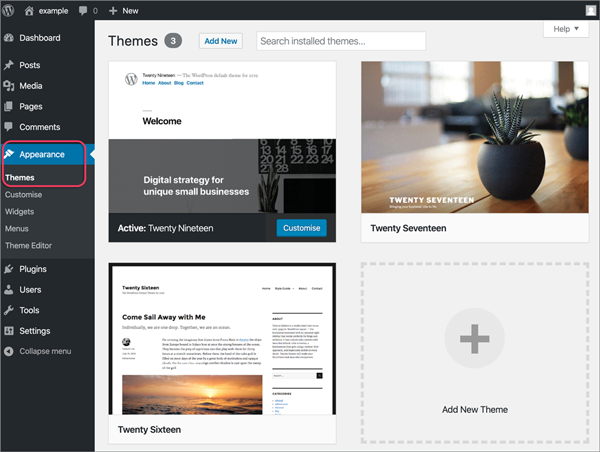
A WordPress Theme is a collection of files to produce a graphical interface which provides all of the front end styling of your WordPress Website. These files are called template files. A Theme modifies the way the site is displayed, without modifying the underlying WordPress software. Themes take the content and data stored by WordPress and display it in the browser. When you create a WordPress theme, you decide how that content looks and is displayed. In addition to the default theme included with your WordPress installation, you can also install your own WordPress theme to change the look and style of your site.
Benefits of Using WordPress Themes for Your Site
WordPress themes provide a versatile foundation for creating stunning and functional websites tailored to any niche or purpose. They offer pre-designed layouts, styles, and functionalities that allow users to quickly establish their online presence without extensive coding knowledge. From personal blogs to e-commerce stores, themes can be customized to reflect your brand identity through color schemes, typography, and widget placements. Additionally, many themes are optimized for mobile responsiveness, ensuring your site looks great on all devices. With a variety of plugins, you can enhance your theme further, adding features like SEO optimization, social media integration, and contact forms. Overall, WordPress themes simplify the website creation process, making it accessible for everyone while providing the tools needed to achieve professional results.
- • The overall design or style of your site
- • Different page layouts, such as static or responsive, using one column or two
- • Can display content anywhere you want it to be displayed
- • Font styling
- • Can specify which devices or actions make your content visible
- • Over all colors
- • Widget locations
- • Customize its typography and design elements using CSS
- • Other design elements like image and videos can be included anywhere in your theme
- • Styles for blog posts and blog archives
- • Additional stylistic details.
WordPress themes can be incredibly powerful. But as with every design project, a theme is more than color and layout. Good themes improve engagement with your web-site's content in addition to being beautiful.
WordPress Themes vs Templates
The terms WordPress Theme and WordPress Template can be confusing for beginners.
Template files are part of a WordPress theme, along with other types of files like stylesheets, scripts, and images. You can't install template files individually. They work together with the rest of the files in a WordPress theme to change your website design.
When you are building your theme, you will use template files to affect the layout and design of different parts of your website. For example, you would use a header template or template part to create a header.
Why Choosing the Right Theme Matters
Selecting the right theme is essential for several reasons:
- • First Impressions: Your website's design is often the first thing visitors notice. A professional-looking theme can help build trust and credibility.
- • Usability: A user-friendly theme improves the overall experience, making it easier for visitors to navigate your site.
- • SEO Benefits: Well-coded themes can improve your site's performance, affecting load times and search engine rankings.
Free or Paid WordPress Themes
Just like WordPress plugins there are thousands of free WordPress themes in the WordPress.org Theme Directory.
Many WordPress Websites use custom or paid themes.
Premium themes usually have a reliable code base and offer support if something goes wrong.
Some premium themes, operate more like a Website Designing software, allowing you to design and build your own multiple theme designs and page layouts.
For a very nice selection see Template Monsters Premium Website Templates and Themes.
WordPress Themes Directory
The official WordPress Themes directory at WordPress.org is a treasure trove for anyone looking to enhance their website's design and functionality.
Listing over 5,581 themes rated by most popular first
This extensive repository offers thousands of free, high-quality themes suitable for various niches, from personal blogs to business websites. Each theme is thoroughly reviewed and tested for compatibility, ensuring you choose a reliable option for your project. With features like advanced filtering and user ratings, finding the perfect theme that aligns with your brand has never been easier. Many themes are also optimized for SEO and responsive design, helping you create a site that not only looks great but also ranks well in search engines.
WordPress Theme Detector
A WordPress theme detector is an invaluable tool for anyone looking to uncover the design secrets behind their favorite websites. By simply entering a URL, you can instantly identify the theme and plugins used, gaining insights into what makes those sites visually appealing and functional. This knowledge can inspire your own website design choices and help you select a theme that aligns with your vision. Additionally, using a theme detector can aid in ensuring your own site's theme is up to date and optimized for performance.
Use this free WordPress theme detector tool
How to Choose the Right WordPress Theme
Choosing the right WordPress theme is crucial for your website's success. Start by identifying your niche and audience to ensure the design aligns with your brand. Look for responsive themes that adapt to all devices, enhancing user experience. Explore customization options to maintain your unique voice while considering SEO-friendly features like fast loading times and clean code. Don't forget to check reviews and demos to gauge performance and support. By following these tips, you'll create a stunning site that engages visitors and boosts your online presence
The Importance of Prioritizing Responsiveness
When selecting a WordPress theme, prioritizing responsiveness is essential for a seamless user experience across all devices. A responsive theme automatically adjusts its layout to fit screens of all sizes, from desktops to smartphones, ensuring your content is accessible and visually appealing everywhere. This not only enhances user engagement but also boosts your site's SEO, as search engines favor mobile-friendly designs. Look for themes that emphasize mobile optimization, fast loading times, and touch-friendly navigation. By choosing a responsive WordPress theme, you'll create a versatile online presence that attracts and retains visitors, driving your success.
Read Reviews and Ratings
When choosing a WordPress theme, reading reviews and ratings is a vital step in ensuring you make the right choice. User feedback provides invaluable insights into a theme's performance, support, and customization options. Look for themes with high ratings and positive comments, as they often indicate reliability and user satisfaction. Pay attention to recurring themes in reviews, such as ease of use, speed, and responsiveness, as these factors significantly impact your site's success. By leveraging user experiences and expert opinions, you can select a WordPress theme that not only meets your needs but also enhances your site's SEO, boosting visibility and attracting more visitors.
Check Compatibility with Plugins
When selecting a WordPress theme, it's crucial to check its compatibility with essential plugins. A theme that seamlessly integrates with popular plugins can enhance your site's functionality, allowing you to add features like SEO optimization, contact forms, and e-commerce capabilities effortlessly. Before making a decision, verify that the theme supports key plugins you plan to use, as this ensures smooth operation and reduces the risk of conflicts. This compatibility not only improves user experience but also boosts your site's performance in search engine rankings. By prioritizing plugin compatibility in your WordPress theme choice, you pave the way for a robust, feature-rich website that effectively meets your needs.
Look for Support and Updates
When choosing a WordPress theme, it's essential to look for strong support and regular updates. A well-supported theme ensures you have access to help when needed, whether it's troubleshooting issues or customizing features. Frequent updates not only enhance security but also keep your site compatible with the latest WordPress versions and plugins, ensuring optimal performance. Before settling on a theme, check the developer's track record for responsiveness and commitment to improvements. By prioritizing themes with robust support and a consistent update history, you'll secure a reliable foundation for your website that enhances user experience and boosts your SEO efforts, keeping your online presence thriving.
How to Customize Your WordPress Theme
Customizing your WordPress theme is an exciting way to express your unique brand and enhance user experience. Start by accessing the WordPress Customizer, where you can modify colors, fonts, and layouts to match your vision. Leverage built-in widgets and menu options to create intuitive navigation, ensuring visitors can easily find what they need. For advanced customization, consider using page builders or custom CSS to add personal touches that elevate your design. Don't forget to optimize images and content for faster loading times, which is crucial for SEO. By personalizing your WordPress theme thoughtfully, you'll create a visually stunning and engaging website that captivates your audience and improves your search engine rankings
Use the WordPress Customizer
Customizing your WordPress theme using the WordPress Customizer is a straightforward way to make your site uniquely yours. This intuitive tool allows you to adjust colors, fonts, and layouts in real-time, giving you instant previews of your changes. Start by selecting the “Customize” option in your dashboard to access various settings, including site identity, header images, and menus. Don't overlook the importance of mobile responsiveness, ensure your adjustments look great on all devices. By leveraging the WordPress Customizer effectively, you can enhance your site's aesthetic while improving user engagement and SEO performance. With a visually appealing and personalized website, you'll attract more visitors and keep them coming back!
Navigate to Appearance > Customize in your dashboard. This built-in tool allows you to modify various aspects of your theme, such as:
Site identity (logo and title)

Colors and typography

Menu structures
Customize with Page Builders
Customizing your WordPress theme with page builders opens up a world of creative possibilities, allowing you to design your site exactly as you envision. These powerful tools, like Elementor or Beaver Builder, offer drag-and-drop functionality, making it easy to create stunning layouts without any coding knowledge. You can add unique elements such as sliders, galleries, and custom widgets to enhance user engagement. Additionally, page builders often come with pre-designed templates that can jumpstart your design process while ensuring mobile responsiveness. By utilizing page builders, you not only personalize your WordPress site but also improve SEO by optimizing layouts for better user experience. With a beautifully crafted website, you'll captivate visitors and elevate your online presence
Adjust Widgets
Customizing your WordPress theme by adjusting widgets is a fantastic way to enhance functionality and improve user experience. WordPress Widgets allow you to add diverse elements like search bars, recent posts, social media feeds, and custom menus to your site's sidebar or footer, providing visitors with valuable information at a glance. To customize, simply navigate to the "Widgets" section in your dashboard and drag-and-drop your chosen widgets into the desired areas. Be strategic: choose widgets that align with your content and audience interests, ensuring a cohesive design. By effectively using widgets, you not only enrich your site's aesthetics but also boost SEO by keeping users engaged longer, ultimately enhancing your search engine visibility and attracting more visitors
Install Plugins for Extended Functionality
Customizing your WordPress theme by installing plugins is an excellent way to extend its functionality and enhance your website's performance. With thousands of plugins available, you can easily add features like SEO optimization, social media integration, contact forms, and e-commerce capabilities to suit your unique needs. Start by identifying the specific functionalities you want to incorporate, then search for reputable plugins in the WordPress Plugin Directory. Ensure the plugins you choose are regularly updated and compatible with your theme to avoid conflicts. By integrating the right plugins, you'll not only customize your site effectively but also improve user experience and boost your SEO, making your website more appealing to search engines and visitors alike
Optimize Your Theme for SEO
Optimizing your WordPress theme for SEO is essential for enhancing your website's visibility and attracting more visitors. Start by choosing a lightweight theme that loads quickly, as page speed is a crucial ranking factor. Ensure your theme supports SEO best practices, such as proper heading structure, clean code, and compatibility with popular SEO plugins like Yoast SEO. Additionally, focus on customizing meta tags and alt attributes for images to improve search engine indexing.
- • Use SEO-friendly Permalinks: Go to Settings > Permalinks and choose a format that includes keywords.
- • Optimize Images: Use descriptive file names and alt text for images.
- • Implement Header Tags: Use H1, H2, and h2 tags to structure your content properly.
Remove Unused Themes
Removing unused themes from your WordPress site is a smart move for both security and performance. Keeping only the active theme reduces clutter in your dashboard and minimizes potential vulnerabilities, as outdated themes can be gateways for hackers. To streamline your site, navigate to the “Themes” section in your WordPress dashboard, where you can easily deactivate and delete themes you no longer use. This not only enhances site speed, an important factor for SEO, but also ensures a more organized user experience. By maintaining a tidy theme library, you improve your website's overall health and make it easier to focus on optimizing the active theme, ultimately boosting your site's visibility in search engine results
Best Practices for Choosing and Managing WordPress Themes
A well-chosen WordPress theme should support your website’s purpose, present content clearly, load efficiently, and remain compatible with current WordPress features. Evaluate design, performance, accessibility, security, customization options, and long-term support before using a theme on a live website.
- • Choose a theme that matches the website’s purpose: Select a WordPress theme designed for your content type, audience, and required features. A business website, blog, portfolio, membership site, and online store each have different layout and functionality needs. Avoid choosing a theme based only on its demo images or visual effects.
- • Prioritize lightweight code and fast loading: Themes with excessive scripts, animations, bundled plugins, and unused design components can reduce performance. Test the theme’s demonstration site on desktop and mobile devices, and select only the features your website actually needs.
- • Confirm mobile responsiveness: Review menus, headings, images, forms, buttons, tables, and page layouts at several screen sizes. A responsive WordPress theme should adapt without hiding important content, creating horizontal scrolling, or making interactive elements difficult to use on phones and tablets.
- • Use a clear semantic heading structure: The theme should support one descriptive H1 for the main page topic followed by logically ordered H2 and H3 headings. Do not select heading levels only for their visual appearance. A meaningful hierarchy helps visitors, screen readers, search engines, and AI systems understand the organization of each page.
- • Check accessibility before activation: Test color contrast, keyboard navigation, visible focus indicators, form labels, link recognition, font sizing, and navigation menus. The theme should remain usable without relying on color, animation, or a mouse alone. Review these WordPress accessibility plugins and tools for additional testing options.
- • Verify plugin compatibility: Confirm that the theme works with the plugins required for forms, caching, security, backups, e-commerce, memberships, and other essential functions. Avoid themes that require numerous bundled plugins for basic layouts. This overview of recommended WordPress plugins explains what to consider before adding functionality.
- • Review updates, support, and documentation: Choose a theme with a recent update history, clear documentation, active support, and compatibility with current WordPress and PHP versions. An abandoned theme may eventually create security, performance, or plugin compatibility problems.
- • Preview the theme with real content: Demo pages often use carefully selected images and short text that may not reflect your website. Test the design with actual headings, long paragraphs, featured images, lists, forms, archives, and navigation menus before deciding whether the layout is suitable.
- • Back up the website before changing themes: Create a complete backup of the database and website files before installing, activating, updating, or heavily customizing a theme. Follow the WordPress backup guide so you can restore the previous version if content, widgets, menus, or layouts are affected.
- • Test theme changes in a staging environment: Preview major updates and customizations on a private staging copy instead of making changes directly on the live website. Check page layouts, forms, structured content, navigation, plugins, and mobile display before publishing the changes.
- • Install themes from reputable sources: Use the official WordPress Theme Directory or established developers that provide licensing information, documentation, updates, and support. Avoid unauthorized copies of premium themes because modified files can introduce malware, hidden links, or unreliable code.
- • Follow a controlled installation process: Read the theme requirements, record existing widget and menu settings, and review the live preview before activation. The step-by-step WordPress theme installation guide explains how to add and activate themes correctly.
- • Keep customization separate from the parent theme: Use built-in theme settings, a child theme, or carefully documented custom CSS for modifications. Directly editing parent-theme files can cause your changes to be overwritten during an update and may make troubleshooting more difficult.
- • Maintain consistent colors and typography: Define a limited palette, readable fonts, predictable button styles, and consistent spacing across the website. Use the WordPress color schemes and plugins guide to compare color tools and establish a clear visual hierarchy.
- • Remove themes that are no longer needed: Keep the active theme and one maintained default theme for troubleshooting, then delete unused themes after confirming they are not required. Fewer inactive themes make updates easier to manage and reduce the amount of outdated code stored on the website.
- • Review the theme after every major update: Test important pages, navigation, forms, images, widgets, structured headings, and responsive layouts after updating WordPress, the theme, or major plugins. Regular reviews help identify compatibility problems before they affect visitors or website functionality.
 Frequently Asked Questions
What is a WordPress theme, and what does it control?
A WordPress theme controls the visual presentation and layout of a website, including typography, colors, page templates, menus, headers, footers, and responsive behavior. It does not normally store the main page content. Themes can be installed through the WordPress dashboard, uploaded manually, or selected from the official directory using the WordPress theme installation guide.
What is the difference between free and premium WordPress themes?
Free WordPress themes can provide reliable layouts and essential customization features without an upfront cost. Premium themes may include additional templates, design controls, documentation, updates, and developer support. The better choice depends on your required features, technical experience, budget, and long-term plans rather than price alone. Always compare update history, compatibility, licensing, support, and performance before making a decision.
Can I change my WordPress theme without losing content?
Changing themes generally preserves posts, pages, images, users, and comments because WordPress stores that content separately. However, menus, widgets, shortcodes, custom templates, page-builder layouts, and theme-specific settings may change or disappear. Create a full backup first using the WordPress backup instructions, then test the new theme on a staging copy before activating it publicly.
Why does a new WordPress theme look different from its demo?
Theme demonstrations usually include imported sample content, selected fonts, featured images, menus, widgets, plugins, and carefully arranged page templates. Installing the theme alone may not reproduce that design. Review the theme documentation for demo-import features, required plugins, homepage settings, and template assignments. You may also need to configure your WordPress settings and navigation menus manually.
Should I use a child theme for WordPress customizations?
A child theme is recommended when you need to modify template files, functions, or extensive theme code. It keeps custom changes separate from the parent theme so updates are less likely to overwrite them. Minor colors or spacing changes may be handled through built-in controls or Additional CSS. Review the WordPress color schemes guide for simpler visual customization methods.
Can a WordPress theme affect website speed and accessibility?
Yes. A theme can affect loading speed through its scripts, stylesheets, fonts, animations, image handling, and bundled features. It also influences keyboard navigation, color contrast, heading structure, form labels, and mobile usability. Choose a lightweight, responsive theme and test it with real content. Additional tools are available in these guides to WordPress performance plugins and accessibility testing.
What should I check before installing or purchasing a WordPress theme?
Check whether the theme supports your current WordPress and PHP versions, required plugins, mobile layouts, accessibility needs, page builder, and website purpose. Review its update history, documentation, support policy, licensing terms, user feedback, and refund conditions. Avoid themes that depend on unnecessary bundled plugins or unsupported code. The WordPress plugins guide can help identify essential functionality that should remain separate from the theme.
Summary
Choosing the right WordPress theme is a foundational step in creating a successful website. By understanding your needs, exploring different themes, and customizing them effectively, you can build a site that not only looks great but also performs well. Remember to prioritize usability and SEO, as these factors can significantly impact your site's success.
 WordPress Resources and Links
Developers WordPress.org
Explore WordPress development with our comprehensive guides and resources. Learn to create themes, plugins, and optimize your site
Security WordPress.org
Discover WordPress security best practices to protect your site. Learn about updates, secure hosting, and essential plugins to keep your content safe from threats
Themes WordPress.org
Browse thousands of free WordPress themes to customize your site’s look. Find the perfect design for your blog, business, or portfolio, and enhance your site’s functionality
Plugins WordPress.org
Unlock your site's potential with thousands of free WordPress plugins! Enhance functionality, improve performance, and add features easily. Explore, install, and elevate your website
Widgets WordPress.org
Discover WordPress widgets to customize your site’s layout easily! Add functionality and content in sidebars and footers without coding
Codex WordPress.org
Explore the WordPress Codex for comprehensive documentation and tutorials. Find guides on themes, plugins, and customization to help you master WordPress
Online Courses WordPress.org
Explore free WordPress courses designed for all skill levels! Learn about themes, plugins, and site management through structured lessons to boost your skills and create stunning websites
Community WordPress.org
Join the WordPress community! Collaborate with passionate contributors, share ideas, and help shape the future of WordPress. Get involved in events, discussions, and projects today
WordPress Resources RSHWeb.com
RSH Web Services complete WordPress resources. Our blog helps you find WordPress Resources like optimize your site, improve performance, and master all things WordPress
Also see: Using WordPress To Build A Website
Installation with cPanel and Softaculous. WordPress Themes. Changing Themes. Plugins, Creating New Pages. Appearance, Step by step guide, more
Overwhelmed With WordPress?
If WordPress is a bit much try our new AI Website builder and Website Importer
Author Bio: Mira Calden
A WordPress wizard with over eighteen years of experience designing, optimizing, and troubleshooting sites on the world’s favorite CMS WordPress....
Related WordPress Tutorials and How To Guides
Tweet Share Pin Email