
cPanel / Softaculous Tutorials & Guides
cPanel - Softaculous - Backups
Follow this guide to create a Softaculous backup of an existing application and reach the backup-management area. The expected result is a backup entry that can be retained locally or used later with the restore workflow.
How to generate a backup and download a copy of the backup of your install using Softaculous.
Before You Begin
You need cPanel access, a Softaculous-managed installation, and enough available account storage. Review the target installation carefully before starting a backup.
Creating a Backup Using Softaculous
Log into your cPanel
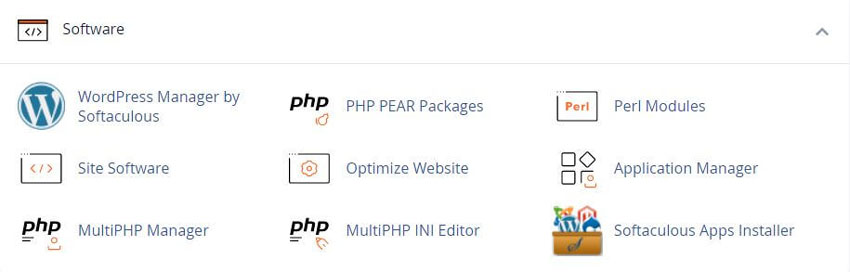
Click the Softaculous App Installer link in the Software section.
You will see at the top right of the page, the All Installations
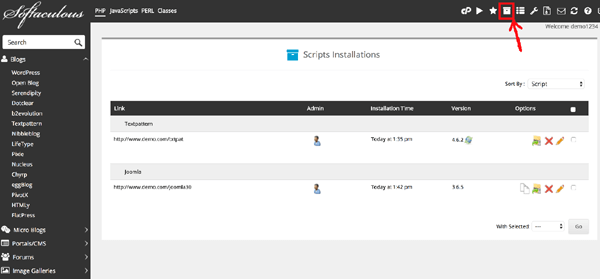
Within the list of applications, click the backup icon to the far right (which looks like a green zipped folder) of the website you want to backup.
Selecting Backup Operation(s)
Backup Directory
If you check this the entire folder will be backed up
Backup Database
If checked the database will also be backed up
Backup Note
You can add notes for each backup
Backup Location
Select a backup location from the Backup Location dropdown
Click on the Backup Installation button.
Click the Backup Installation button at the bottom of the page. You will see a progress bar appear on the screen showing you how much time is left in the backup process. When the backup is completed, you’ll see the following message: The backup was created successfully. You can download it from the Backups page.
Downloading The Backup
After backing up your program. If you click the Backups link, you’ll be taken to a page where you can download a copy of the backup created.
Here you will see a list of backups you’ve previously created. Click the File Name next to the backup that you would like to download. Your browser will then begin to download the backup file. Take note that the File Name of each backup includes the date and time the backup was generated.
You can also find the backups using either FTP or the cPanel file manager.
They will be located within the root of your account in a folder named softaculous_backups.
Once you’ve downloaded your backup locally you may want to remove the old Softaculous backups that are no longer of any use.
You can simply click on the red X beside each older backup to remove them one by one, or you can place a check mark in the column with the down arrow beside each backup, then with the With Selected: drop-down select Remove Backup and then click on Go.
Viewing Your Backups
At the top right you will see the Backup Icon

Here you can view any backups you have.
By clicking the link Manage Backups Locations will take you to the User Settings
Which will give you different options for your backups
Frequently Asked Questions
Does a Softaculous backup include the whole website?
A Softaculous installation backup is intended to include the application files and associated database for that installation when the backup completes successfully. It is not automatically the same as a full cPanel account backup, mail backup, or server backup. Check the backup details and keep an independent recovery copy when the website is business-critical.
Where should I store backups?
Keep at least one copy separate from the hosting account when practical. A remote location can help if the hosting account or server becomes unavailable, but it must be configured and tested. Use the remote backup guide and Add Backup Location steps. Confirm the destination, credentials, available space, and retention policy rather than assuming that a backup task proves the copy can be restored.
Why is the backup option missing?
The hosting administrator may disable backups or restore functions for end users. The installation may also be unsupported or not recognized by Softaculous. Check the All Installations list and server policy first. If the feature remains unavailable, contact the hosting provider or use a separately verified backup method that matches the application.
How do I know a backup worked?
Look for the completed backup entry or success message in Softaculous and confirm its date, size, target installation, and storage location. A successful creation message is useful but does not replace a restore test. Background jobs can be checked in the Softaculous task list. For important sites, periodically verify that the archive can be accessed and that the recovery process is understood.
Can I restore over a live site?
Yes, where the restore control is available, but restoration can replace current application files and database content. Confirm the target and backup date first, preserve a current copy if possible, and plan a maintenance window. Follow the restore a backup guide. Afterward, test the public site, login, forms, media, links, and any connected services.
How many backups should I keep?
The right retention count depends on how often the site changes, how quickly problems are discovered, available storage, and recovery requirements. Automated rotation removes older copies when the configured limit is reached. See automated backups for frequency and rotation. Choose a count the account can hold, and keep an additional remote or independent copy if losing the hosting account would be unacceptable.
Are backups a substitute for updates?
No. Backups provide a recovery point; they do not correct vulnerable or outdated software. Keep the application, plugins, themes, and server components maintained according to their official documentation, and create a backup before consequential updates. Test updates on staging when the application and Softaculous workflow support it.
What should I do if a restore fails?
Do not repeatedly overwrite the live installation without identifying the failure. Check the task status, available disk space, backup integrity, destination permissions, and application requirements. Preserve the current files and database if possible, then contact the hosting provider or application support with the exact error and backup details. Use Contact Us if you need account-level help.
Related Softaculous Tutorials and How To Guides
Wide range of key features for website management
Softaculous End-user Documentation
See our WHMCS cPanel Knowledgebase add-on module for Hosting Companies
Covering cPanel, WordPress, FTP and Softaculous
cPanel Guides and Instructional Resources
All the basic info for using cPanel
Tweet Share Pin Email
Add Comment
This policy contains information about your privacy. By posting, you are declaring that you understand this policy:
- Your name, rating, website address, town, country, state and comment will be publicly displayed if entered.
- Aside from the data entered into these form fields, other stored data about your comment will include:
- Your IP address (not displayed)
- The time/date of your submission (displayed)
- Your email address will not be shared. It is collected for only two reasons:
- Administrative purposes, should a need to contact you arise.
- To inform you of new comments, should you subscribe to receive notifications.
- A cookie may be set on your computer. This is used to remember your inputs. It will expire by itself.
This policy is subject to change at any time and without notice.
These terms and conditions contain rules about posting comments. By submitting a comment, you agree with these rules:
- Although the administrator will attempt to moderate comments, not all comments can be moderated at all times.
- You acknowledge that all comments express the opinions of the original author and not those of the administrator.
- You will not post material which is knowingly false, obscene, hateful, threatening, harassing or invasive of privacy.
- The administrator has the right to edit, move or remove any comment for any reason and without notice.
Failure to comply with these rules may result in being banned from submitting further comments.
These terms and conditions are subject to change at any time and without notice.
 Understanding Managed WordPress Hosting
 Best Web Based Image Gallery Program or Script
 Best Self-Hosted CMS Programs, Scripts or Apps
 Creating a Website with Joomla
Comments